
If you are buying a shrink-wrapping machine for cartons, boxes or multipacks, the machine should be selected from three numbers first: product size, pack configuration and required output.
A machine that is too small will restrict production. A machine that is unnecessarily large increases your investment and may not give you a better return.
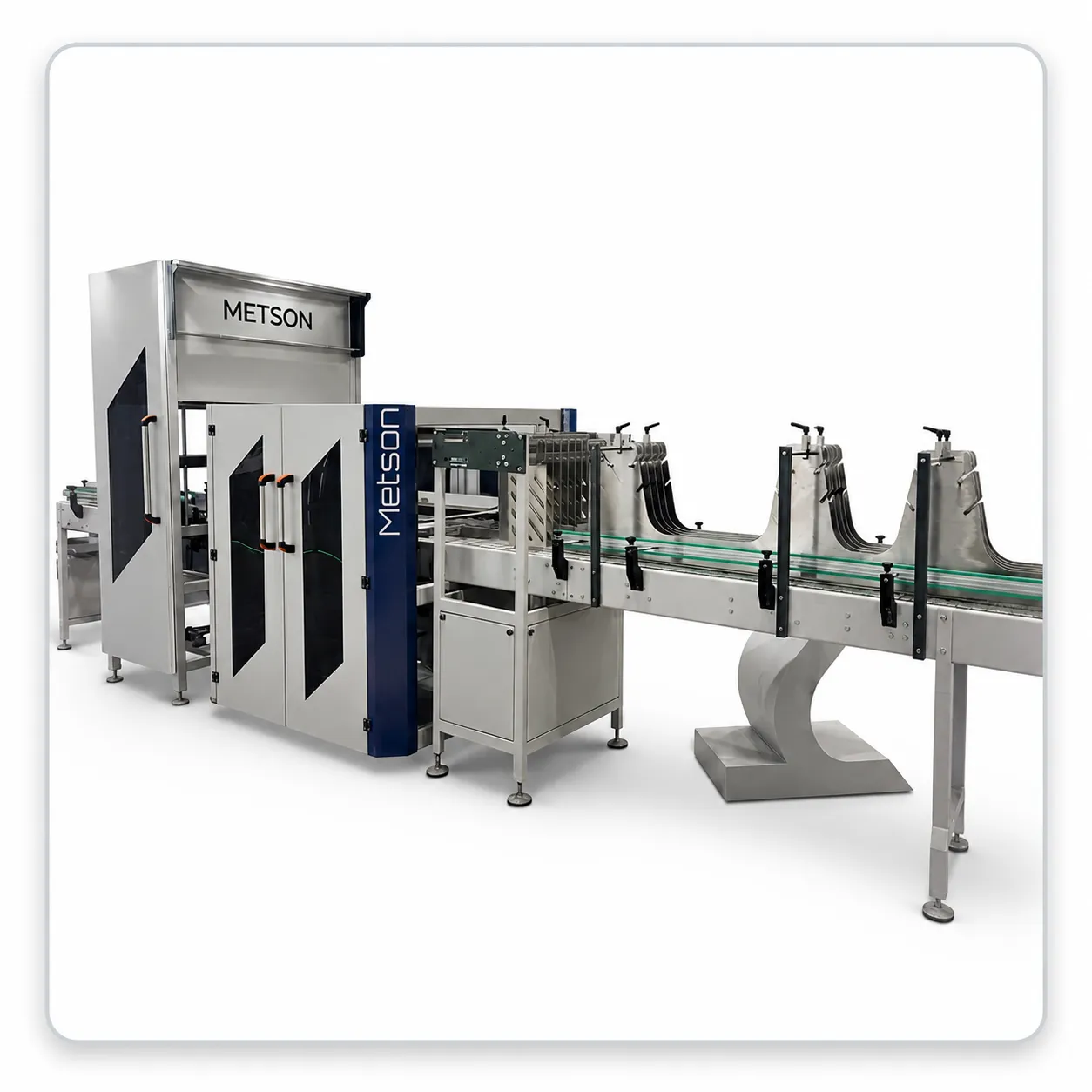
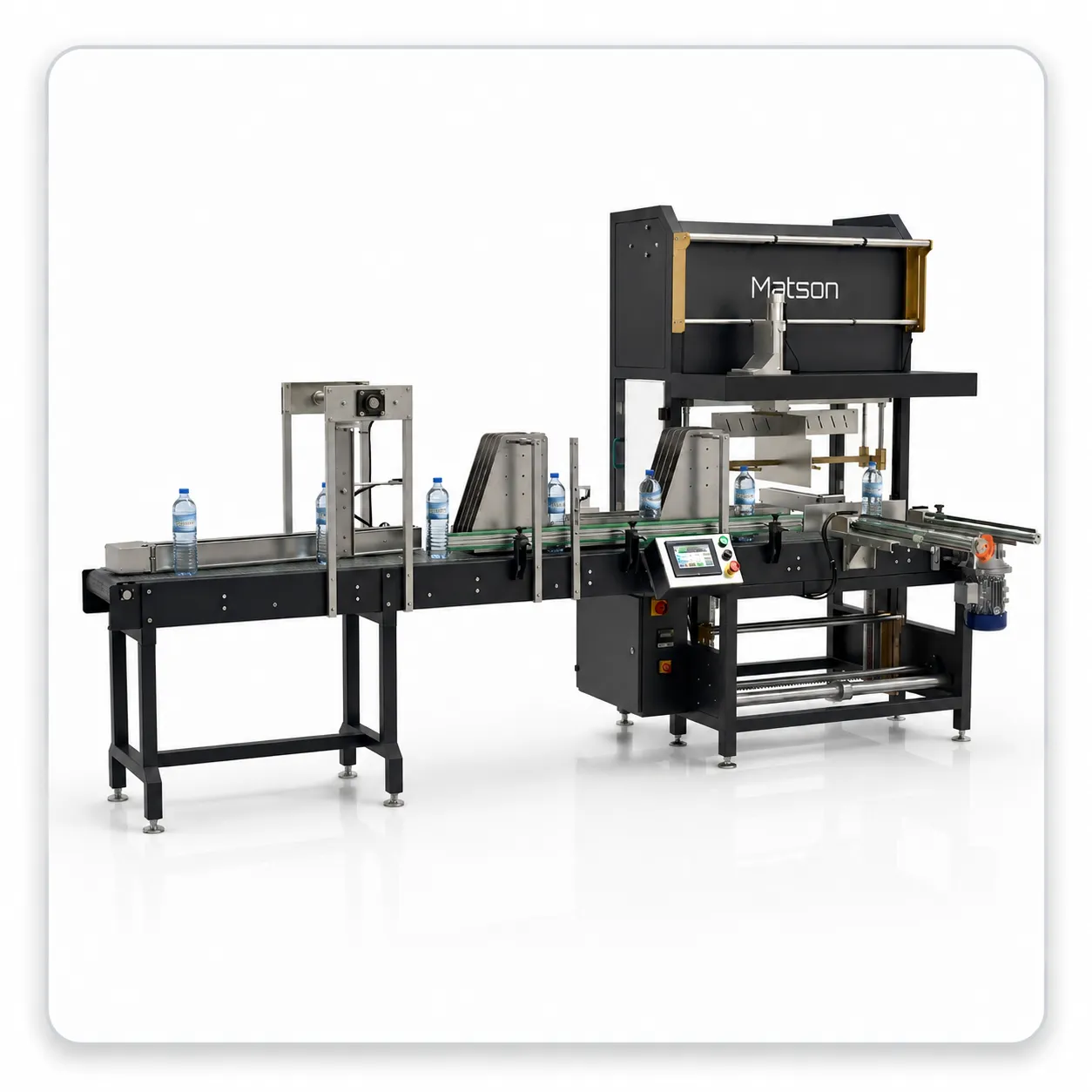
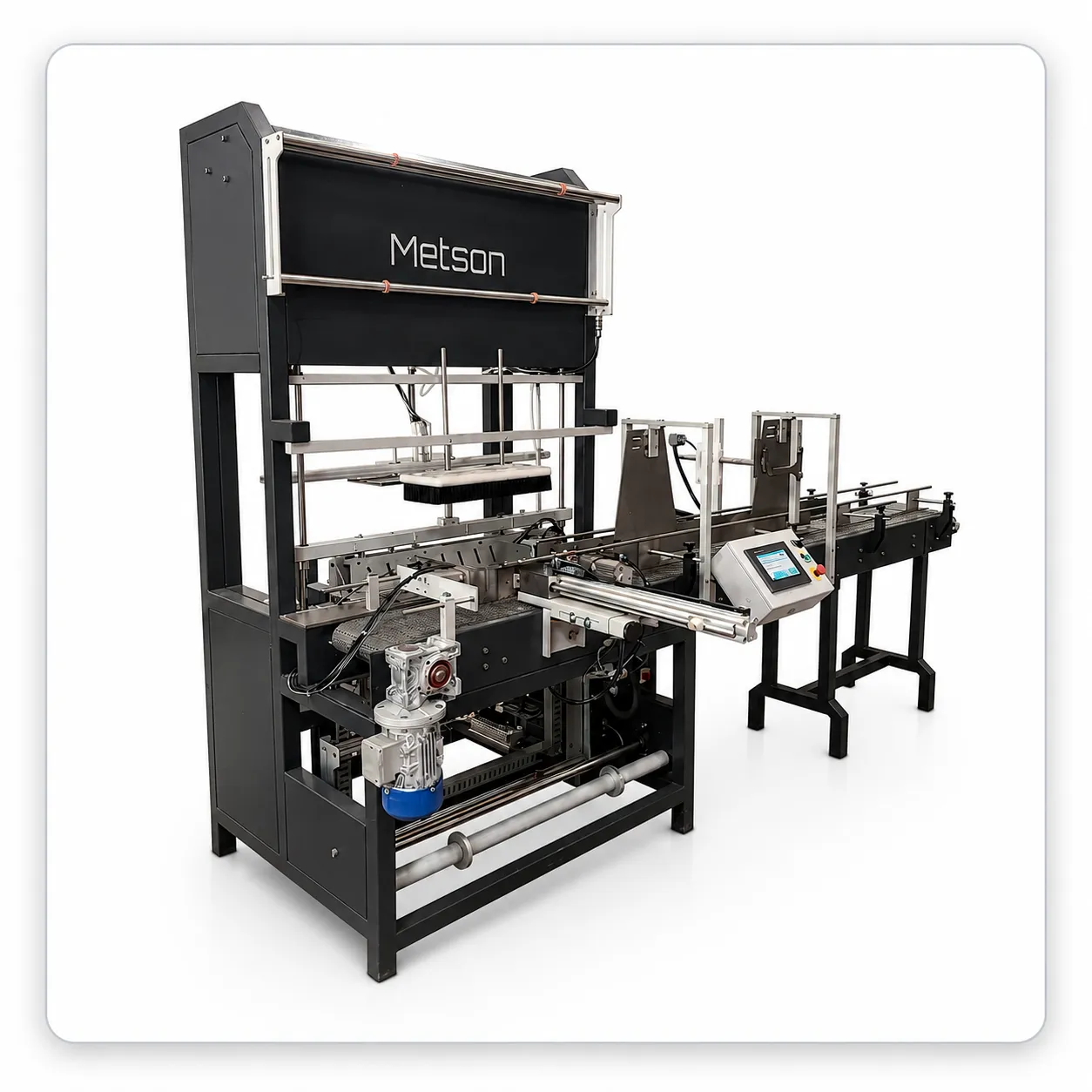
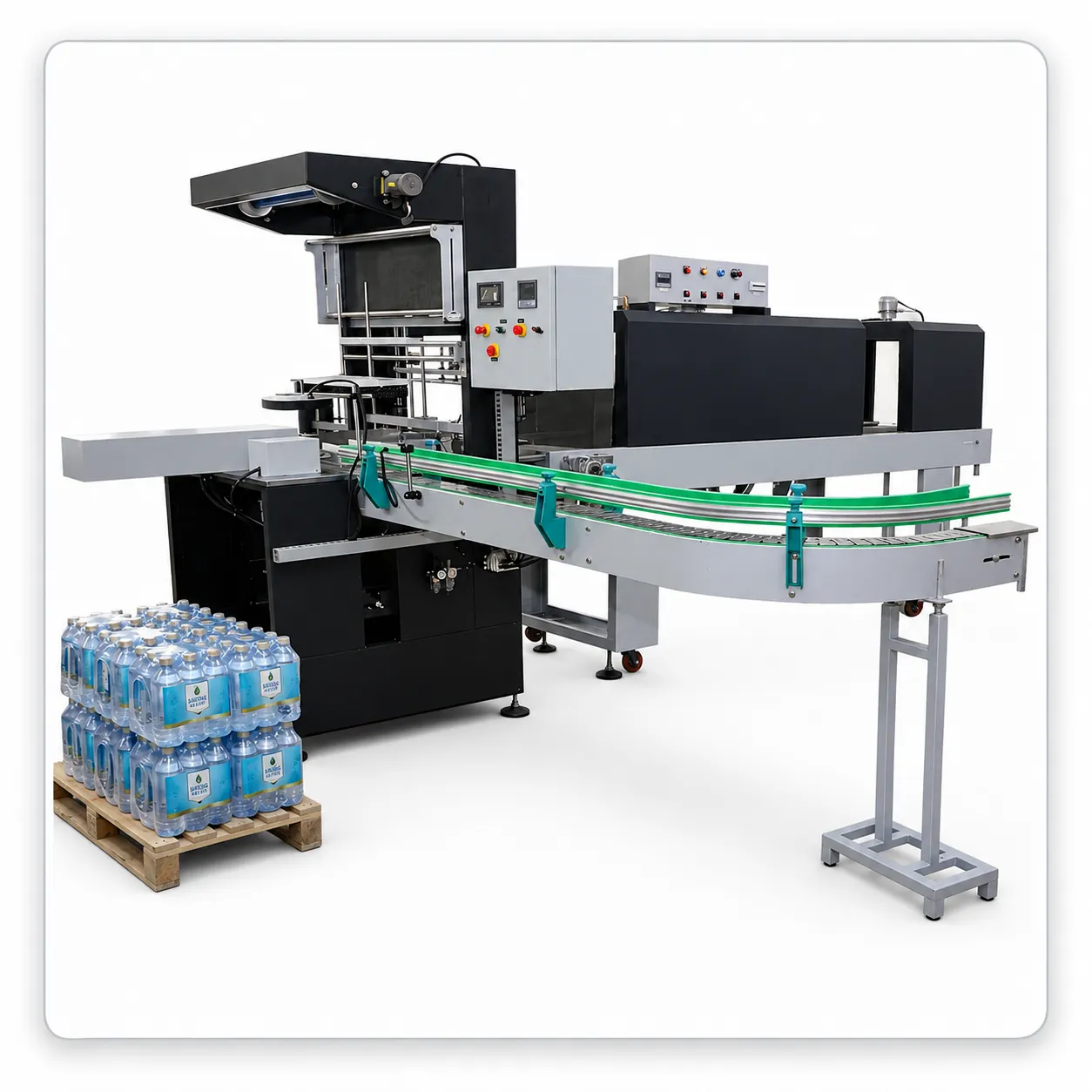
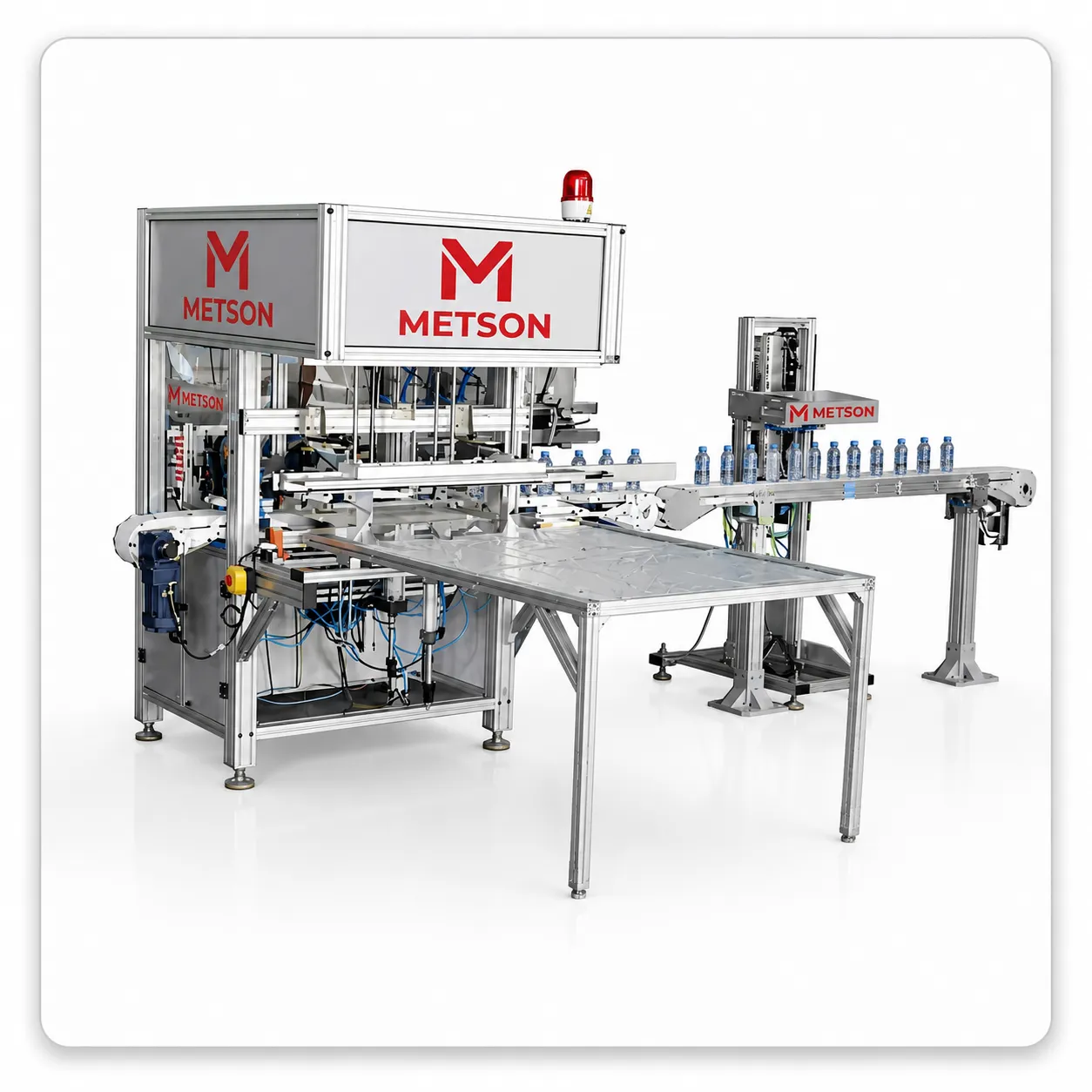
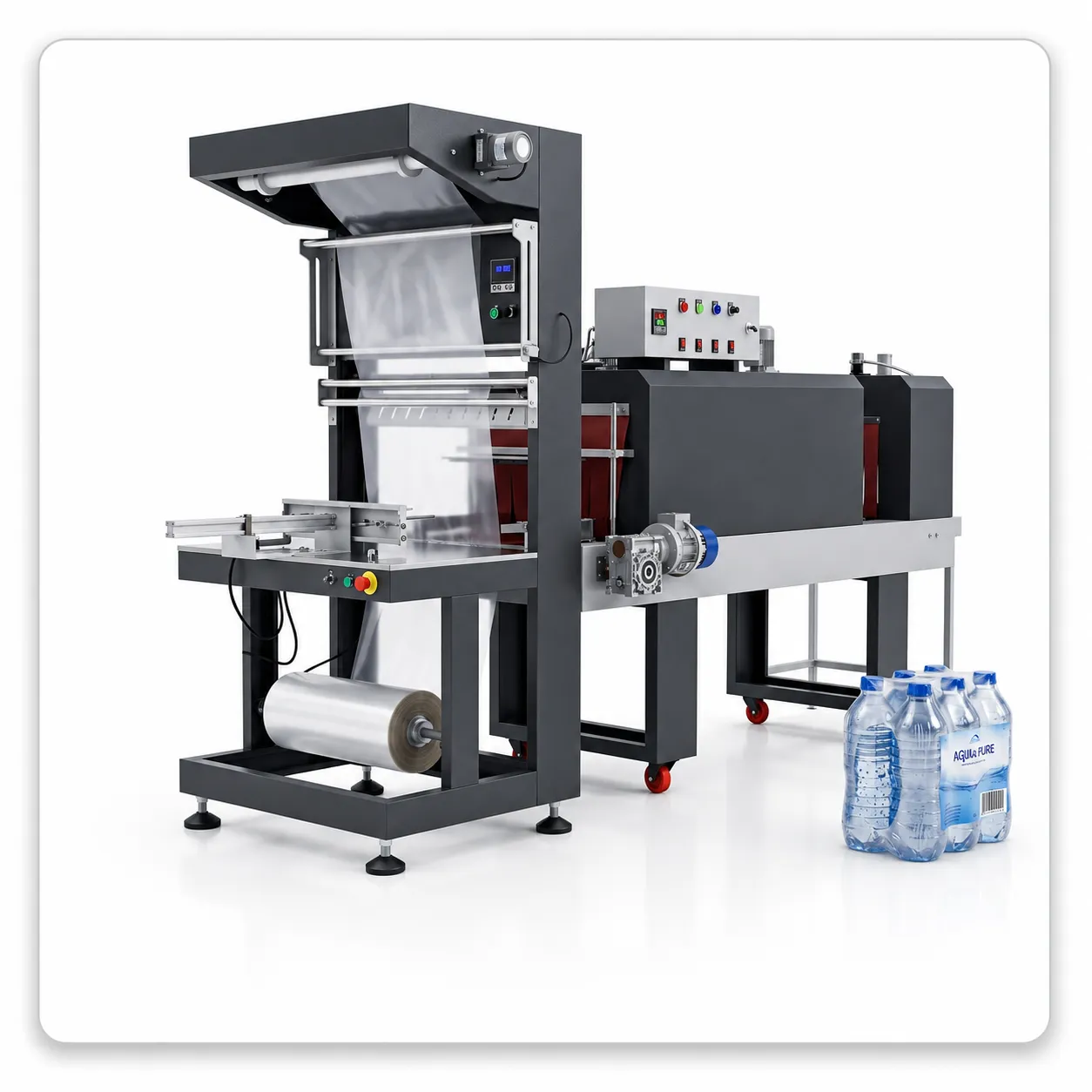
Which Shrink-Wrapping Machine Do You Need?
For 60–90 BPM
Choose this range when your requirement is around 60 to 90 packs per minute and you want automatic wrapping without investing in a high-speed system.
It is suitable for many small-to-medium FMCG packaging lines.
For 90–120 BPM
This is a practical range when production is growing and you need higher continuous output.
It is often the point where automatic feeding, wrapping and shrinking become more important than manual handling.
For 120–150 BPM
Choose this range when your packaging line requires high output with continuous automatic operation.
At this speed, product feeding, spacing and film control become critical. The machine should be tested with your actual carton or multipack before purchase.
For 200–250 BPM
This range is intended for high-volume production lines where packaging speed needs to keep up with upstream production.
At 200–250 BPM, the question is no longer simply whether the wrapper can reach the stated speed. The complete system—feeding, product grouping, film handling, sealing and shrink tunnel—must be capable of maintaining that output continuously.
Important: BPM should be confirmed against your actual product and pack configuration. A machine’s maximum rated speed is not necessarily its sustainable production speed.
What Size Shrink-Wrapping Machine Do You Need?
Machine size should be determined by the largest carton, box or multipack, not the smallest one.
We need to know:
Length × Width × Height + weight
For multipacks, provide the dimensions of the complete bundle after grouping.
This determines the required:
- Conveyor width
- Sealing capacity
- Film width
- Tunnel opening
- Tunnel length
- Product clearance
For example, a machine suitable for a small carton may not have enough sealing or tunnel clearance for a wide 4×6 multipack.
If you have multiple products, the machine should be selected around your largest required format while confirming the adjustment range for smaller formats.
What Pack Configuration Are You Running?
The same product can require a completely different machine setup depending on how it is bundled.
For example:
2 × 3 → 6 products per pack
3 × 4 → 12 products per pack
4 × 6 → 24 products per pack
The grouping arrangement affects the machine’s feeding, spacing, sealing and tunnel requirements.
If you need several configurations, tell us all of them before requesting a quotation. This allows the machine to be designed for the required changeover range rather than adding flexibility later.
Automatic or Semi-Automatic?
The decision is mainly about production volume and labour involvement.
Semi-automatic makes sense when production is lower, product changes are frequent, or an operator can handle part of the wrapping process.
Automatic makes more sense when you need continuous production, consistent output and reduced manual handling.
If your requirement is already above approximately 60–90 BPM, automatic operation is generally worth evaluating rather than simply increasing manual labour around a semi-automatic machine.
What About the Shrink Tunnel?
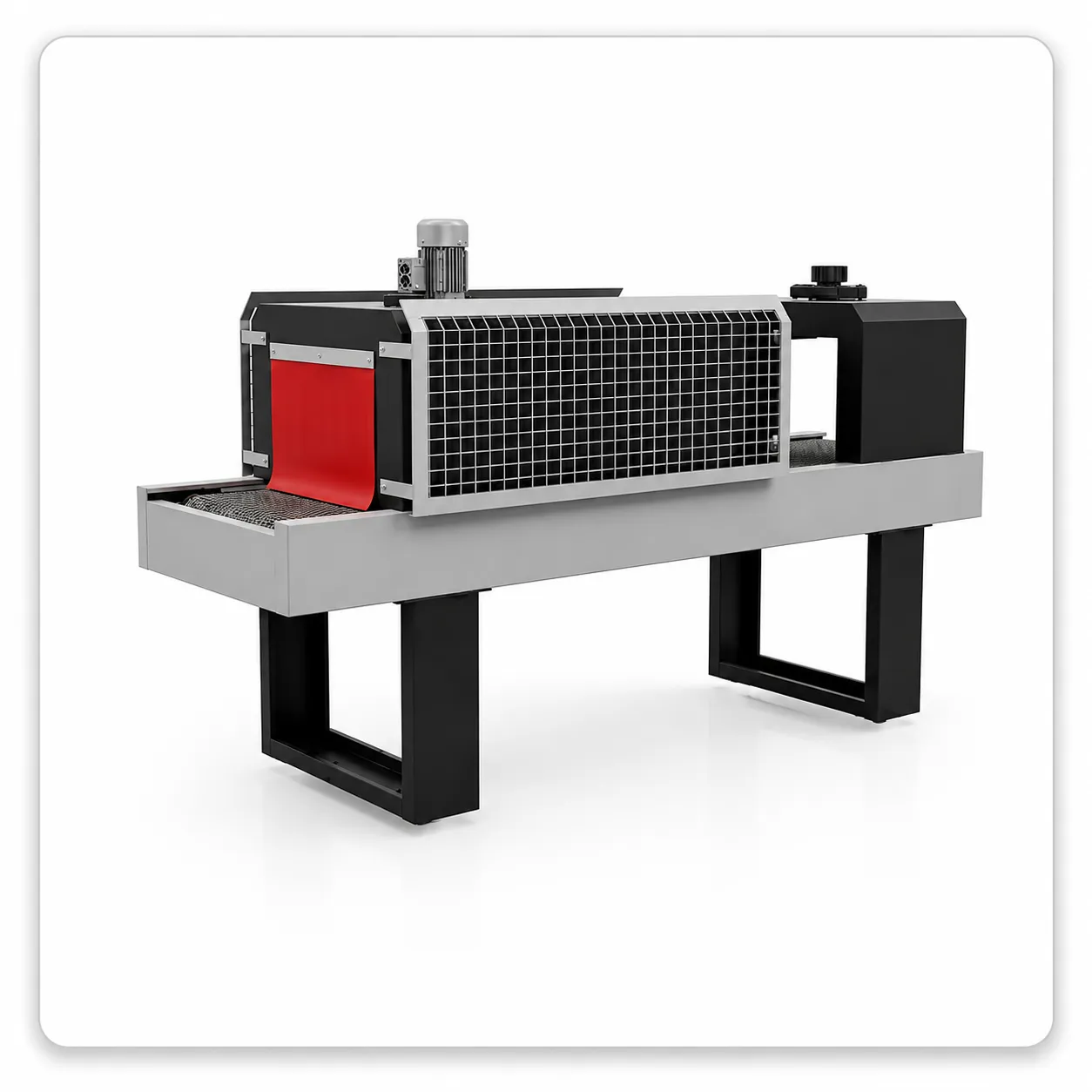
The shrink tunnel should be treated as part of the machine—not an optional afterthought.
The tunnel must accommodate the largest wrapped carton or multipack and provide sufficient heating and airflow for the selected film.
For a buyer, the important questions are:
- What is the maximum tunnel opening?
- What is the tunnel length?
- What is the conveyor width?
- What heating capacity is required?
- What film will be used?
- What production speed can the tunnel sustain?
An undersized tunnel can become a bottleneck even when the wrapping machine itself has sufficient capacity.
How Much Film Will the Machine Consume?
This is one of the most important questions to ask before buying because film is a recurring production cost.
Film consumption depends on:
- Product dimensions
- Bundle dimensions
- Film width and thickness
- Sealing arrangement
- Machine settings
- Product configuration
Don’t compare machines only on purchase price.
Ask the manufacturer for film consumption based on your actual pack. At high production volumes, even a small difference in film usage can become a significant operating cost.
Can One Machine Handle Multiple Carton Sizes?
Yes, but this depends on the machine configuration.
If you have multiple SKUs, ask specifically:
“What is the minimum and maximum product size?”
and
“How long does the changeover take?”
A machine may technically handle several sizes but still be inconvenient if every product change requires extensive manual adjustment.
For multiple SKUs, changeover time should be considered alongside machine speed.
What Should You Test Before Buying?
Don’t approve the machine based only on a catalogue specification.
Give the manufacturer your actual:
Carton/box + pack configuration + film + required speed
and run a production trial.
The important result is not simply whether one pack comes out correctly. Check whether the machine can continuously maintain:
- Required output
- Correct product positioning
- Reliable sealing
- Consistent shrink quality
- Acceptable film consumption
That is the difference between a machine that works in a demonstration and a machine that works on your production floor.
What Do We Need From You to Recommend the Machine?
For a precise machine recommendation and quotation, send:
1. Product dimensions: L × W × H
2. Product/bundle weight
3. Pack configuration: 2×3, 3×4, 4×6, etc.
4. Required output: Packs/minute
5. Film: Type, width and thickness, if known
6. Number of SKUs: One size or multiple sizes
From these details, we can determine the appropriate machine capacity, configuration, sealing system and shrink tunnel size for your application.
Ready to Select Your Machine?
If you already know your carton or multipack dimensions and required BPM, you can send those details directly to our team.
Get a machine recommendation and quotation based on your actual product—not a generic machine specification.