
Choosing the right packaging machine is not simply about selecting the machine with the highest speed. A machine rated at 250 BPM may look attractive, but the right choice depends on your production requirement, product characteristics, feeding system, pack size and required operating efficiency.
At Metson Machines, we help manufacturers evaluate these factors to determine the appropriate packaging machine speed for their application.
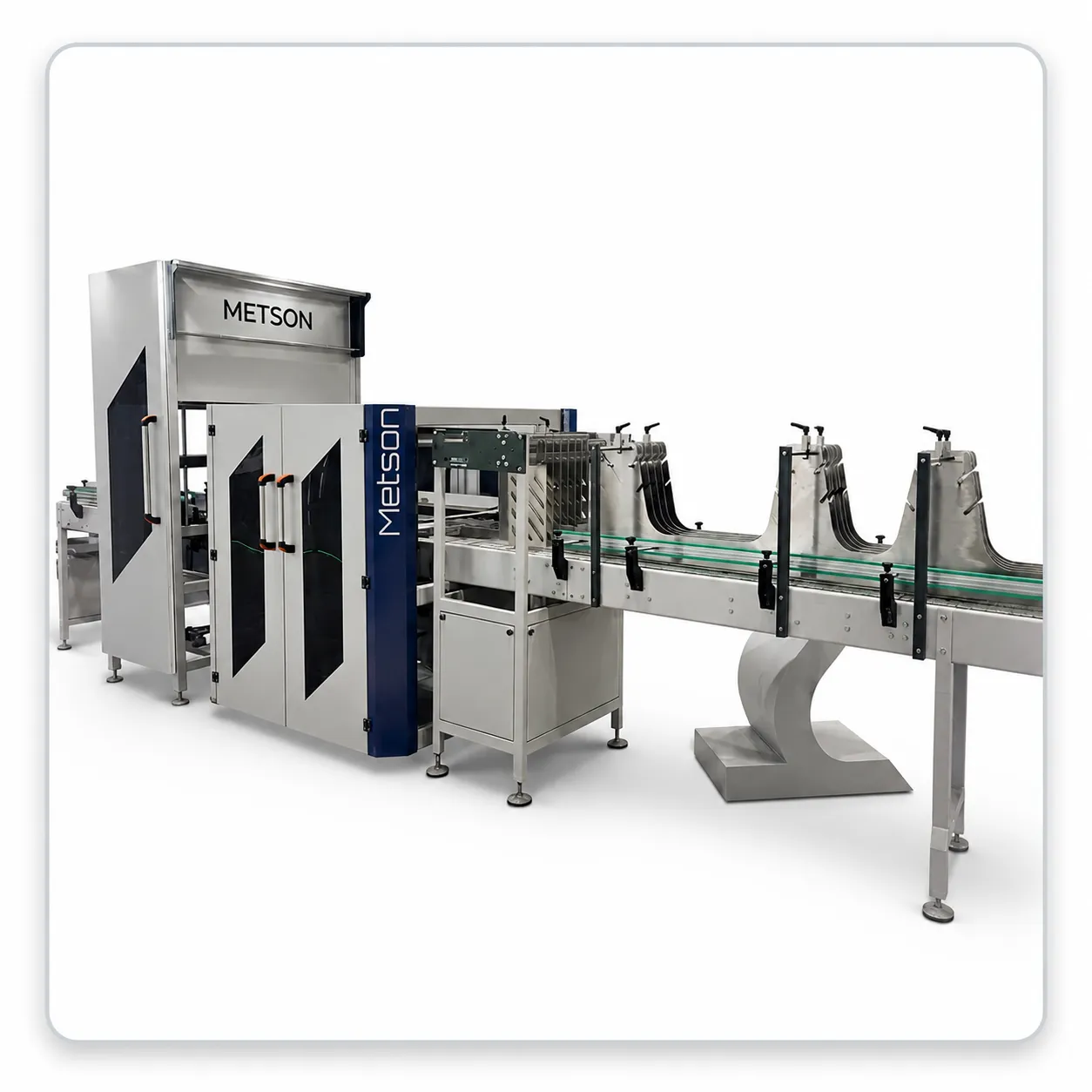
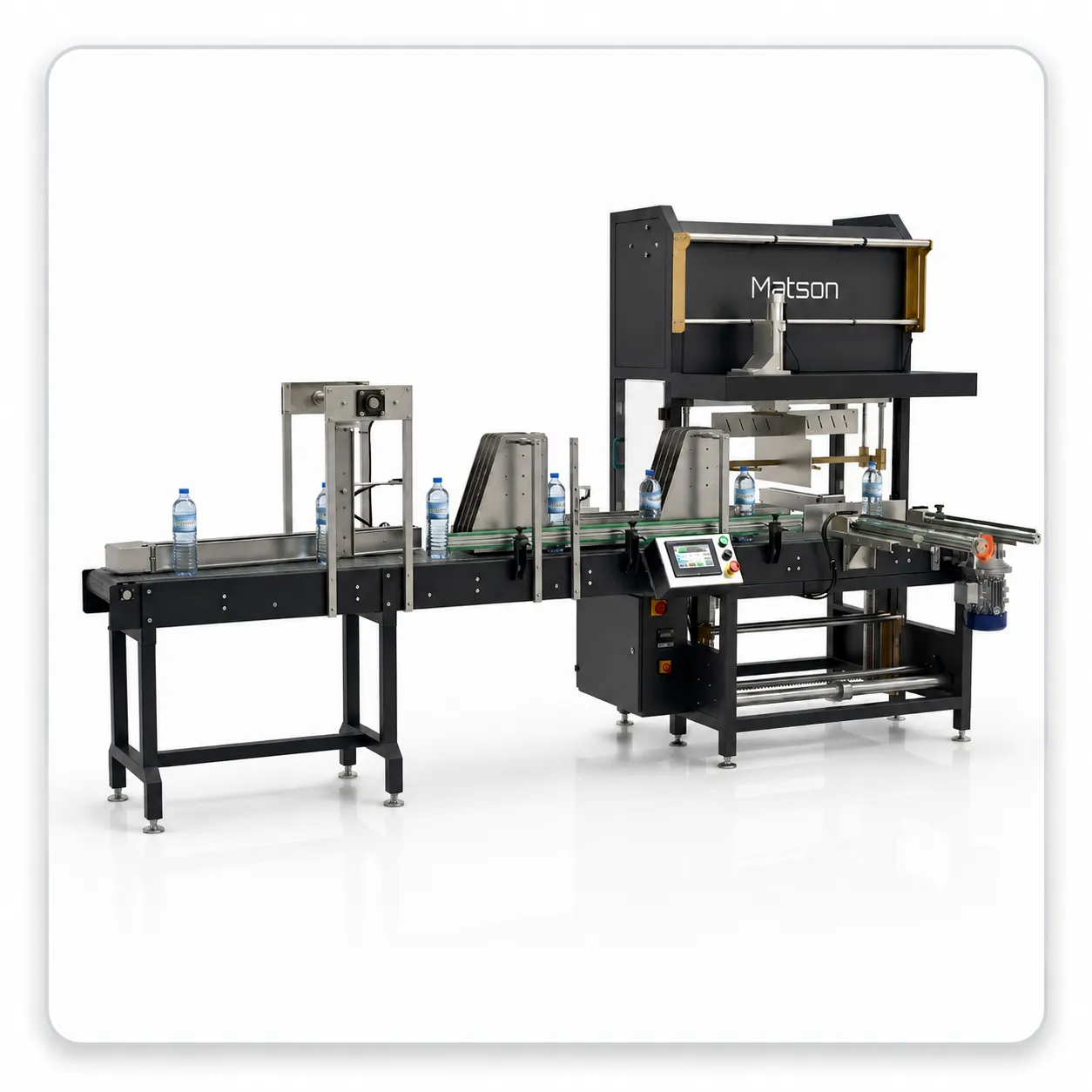
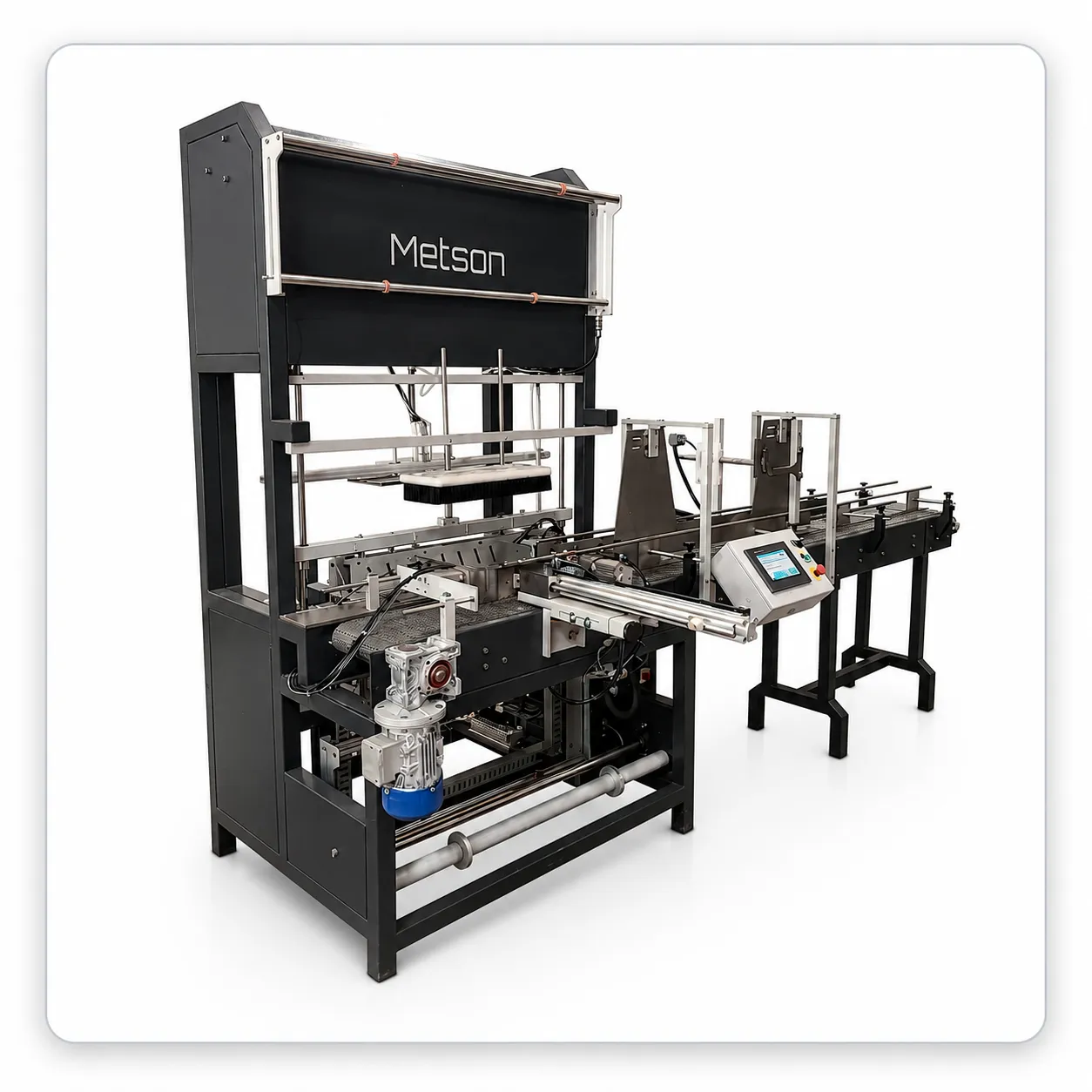
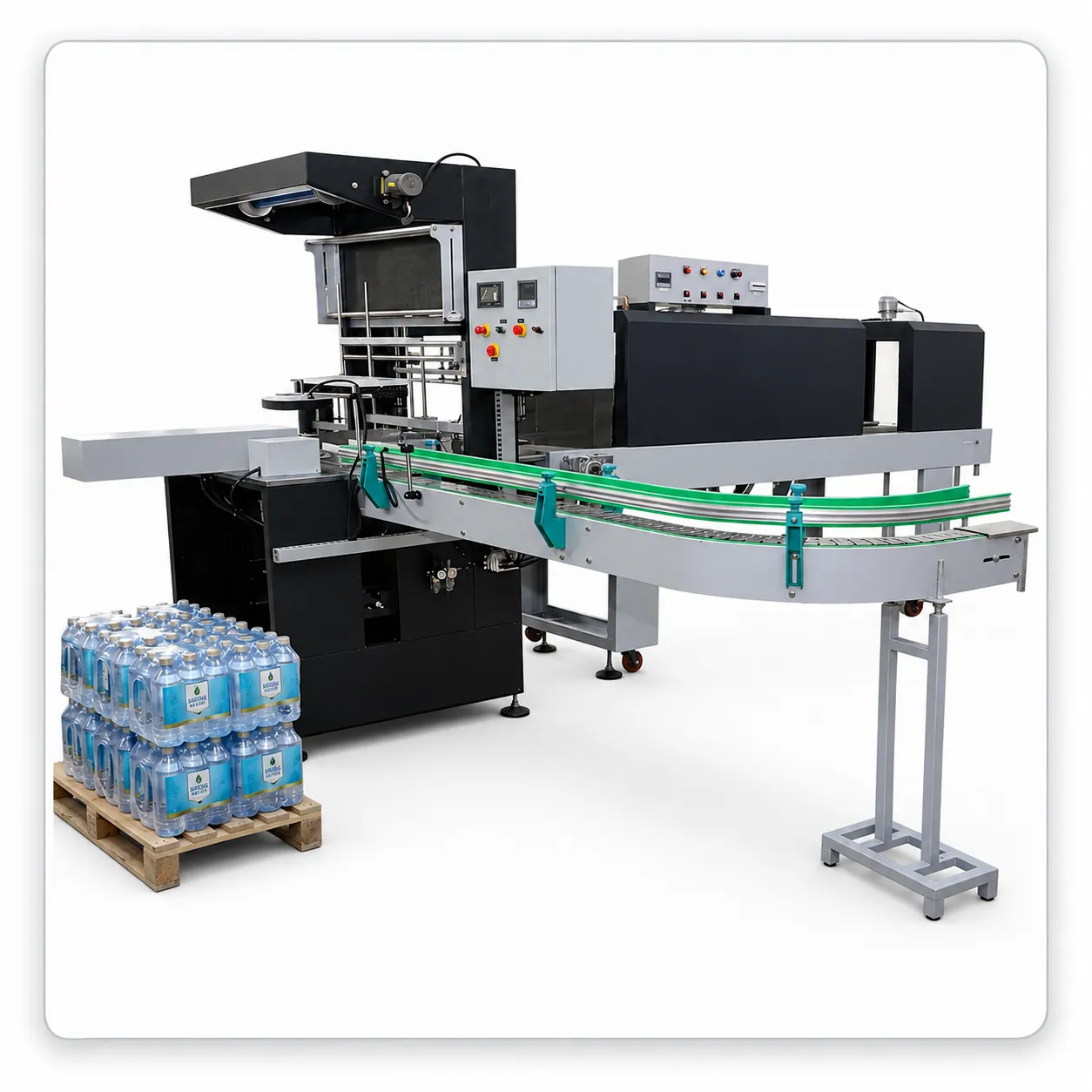
What Does BPM Mean?
BPM means Bags or Packs Per Minute.
It indicates the number of packs a packaging machine is designed to process in one minute under specified operating conditions.
For example:
| Machine Speed | Theoretical Packs/Hour |
|---|---|
| 60 BPM | 3,600 packs/hour |
| 100 BPM | 6,000 packs/hour |
| 150 BPM | 9,000 packs/hour |
| 200 BPM | 12,000 packs/hour |
| 250 BPM | 15,000 packs/hour |
These are theoretical figures. Actual production can vary depending on the product, feeding arrangement, changeovers, machine settings, downtime and operating conditions.
How Do You Calculate the Required BPM?
The first step is to determine how many packs you need to produce per hour.
The basic calculation is:
Required BPM = Required packs per hour ÷ 60
Example
If your production requirement is:
6,000 packs/hour
Then:
6,000 ÷ 60 = 100 BPM
A machine capable of approximately 100 BPM theoretical speed may therefore meet the basic requirement, subject to the actual product and machine configuration.
If future production growth is expected, additional capacity may also be considered.
60 BPM Packaging Machines
A machine operating around 60 BPM can be considered for applications with lower production requirements or products that require more controlled feeding.
It may be suitable for:
- Small and medium production volumes
- Semi-automatic packaging lines
- Products requiring careful handling
- Variable production requirements
- Applications where maximum speed is not the primary objective
The important question is not whether 60 BPM is “slow,” but whether it meets your required production output.
100–150 BPM Packaging Machines
The 100–150 BPM range can be suitable for manufacturers requiring medium to higher production throughput.
Typical applications may include:
- Food products
- FMCG products
- Pouches
- Small cartons
- Consumer products
- Industrial products
- Multipack applications
At 150 BPM, the theoretical production rate is:
150 × 60 = 9,000 packs/hour
The actual output depends on the complete packaging system.
200–250 BPM High-Speed Packaging
When production requirements become significantly higher, machines in the 200–250 BPM range may be considered.
At 250 BPM:
250 × 60 = 15,000 packs/hour
High-speed packaging requires more than simply increasing the machine’s operating speed.
The complete system may need to be designed around:
- Automatic product feeding
- Product spacing
- Conveyor synchronization
- Film handling
- Sealing performance
- Product orientation
- Discharge handling
- Downstream equipment
The entire packaging line must be capable of supporting the required throughput.
Maximum BPM Is Not Always the Right Choice
A common mistake is choosing a machine solely because it has a higher BPM rating.
Consider two machines:
Machine A: 250 BPM
Machine B: 150 BPM
If your actual requirement is around 7,000 packs per hour, the 250 BPM machine may provide considerably more theoretical capacity than you need.
Instead of asking:
“Which machine is fastest?”
Ask:
“Which machine can reliably achieve my required production?”
This approach can help avoid selecting equipment that is unnecessarily large or expensive for the application.
Rated Speed vs Actual Production
A machine’s maximum rated speed should not automatically be treated as its guaranteed production output.
Actual production can be affected by:
- Product feeding
- Product variation
- Film changes
- Product changeovers
- Cleaning
- Machine adjustments
- Sealing interruptions
- Product jams
- Planned maintenance
- Unplanned downtime
Therefore:
Maximum BPM ≠ Actual continuous production
A realistic machine-selection process should consider the complete production cycle.
Product Characteristics Affect Machine Speed
The same BPM cannot necessarily be achieved with every product.
Important factors include:
Product Size
Large products require more space and may require a different feeding and packaging configuration.
Product Shape
Regular products are generally easier to orient and feed consistently than irregular products.
Product Weight
Heavy products can require stronger conveyors, feeding systems and handling arrangements.
Product Stability
Products that move, tip or change orientation during feeding may require additional control.
Pack Dimensions
Pack length, width and height affect the machine configuration and achievable speed.
Feeding System Is Critical
The packaging machine can only operate as effectively as the feeding system supplying it.
For a high-speed line, the complete process may look like:
Product → Feeder → Conveyor → Packaging Machine → Sealing → Discharge
If the feeder cannot consistently supply products at the required rate, increasing the packaging machine’s maximum BPM will not necessarily increase overall production.
This is why machine speed should always be considered together with the feeding system.
How to Select the Right BPM
Before selecting your packaging machine, determine these six factors:
1. Required packs per hour
How many finished packs do you actually need?
2. Product dimensions
What are the length, width and height of the product?
3. Product weight
How much does each product or pack weigh?
4. Feeding method
Will products be fed manually, by conveyor or through an automatic feeding system?
5. Product variation
Will the same product run continuously, or will multiple products and sizes be processed?
6. Future production
Do you expect your production volume to increase?
These factors provide a much better basis for selecting machine speed than BPM alone.
60–250 BPM: Which Speed Should You Choose?
| Requirement | Indicative Speed Range |
|---|---|
| Lower production | 60–100 BPM |
| Medium production | 100–150 BPM |
| Higher production | 150–200 BPM |
| High-volume production | 200–250 BPM |
These ranges are indicative rather than universal. The appropriate machine should be selected after evaluating the actual product and production requirements.
Why Metson Machines?
At Metson Machines, machine selection starts with the application rather than simply the machine’s maximum speed.
We consider:
- Product dimensions
- Product weight
- Pack configuration
- Required production
- Feeding method
- Packaging material
- Automation requirement
- Available production space
- Future capacity requirements
This allows the machine configuration to be matched more closely to the customer’s actual production requirement.
Get the Right Packaging Machine for Your Production
Not sure whether you need 60, 100, 150, 200 or 250 BPM?
Send Metson Machines:
- Product name
- Product photograph
- Product dimensions
- Product weight
- Required packs per hour
- Current packaging method
- Desired level of automation
Our team can evaluate these requirements and help determine a suitable machine speed and packaging configuration.
Need Help Selecting the Right BPM?
Tell us your product and required production capacity.
Metson Machines can help you evaluate the appropriate packaging machine speed for your application.